

Devansh Agarwal
Securing an All India Rank (AIR) 70 in CLAT was a result of consistent hard work and learning from my mistakes, rather than any extraordinary talent. If I’m being honest, there were many times I felt I might trip up, both figuratively and literally (thanks to my usual clumsiness). But the journey taught me valuable lessons — lessons that I’m eager to share with you in the hopes that they’ll make your own CLAT preparation a little less daunting. As I reflect on my experience, I realise that preparation for CLAT isn’t a one-size-fits-all approach. Different students come from varied backgrounds and circumstances, which shape their preparation strategies. In this guide, I will walk you through the overall preparation approach, tailored strategies for different types of students, and a detailed breakdown of preparation stages based on when you start.

Overall Preparation Approach: Laying the Foundation
Before diving into specific strategies, it’s essential to understand the overarching principles that guide successful CLAT preparation:
- Consistency is Key: CLAT preparation is a marathon, not a sprint. If you try to sprint, you’ll likely find yourself gasping for air at the end — I speak from experience! Make study a part of your daily routine, and stay disciplined.
- Diligence and Focus: Stay committed to your preparation. It’s easy to get distracted by the multitude of things around you , but maintaining a laser focus on your goal is crucial. Every small step adds up in the long run.
- Balance and Time Management: Balancing academics, extracurricular activities, and CLAT preparation can be challenging. Prioritise your tasks, allocate specific time slots for each activity, and stick to your schedule. Time management is essential to avoid burnout. And trust me, burnout is something you want to avoid at all costs.
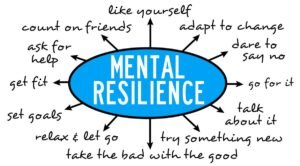
- Mental Resilience: There will be days when things don’t go as planned. Building mental strength and resilience will help you push through challenges and stay motivated. The ability to bounce back from failures and setbacks will help you stay on track toward your goals.
Tailored Strategies for Different Types of Students
Not every student approaches CLAT from the same starting point. Let’s break down the strategies based on different categories of students:
1. School Students with Extracurricular Commitments
Being deeply involved in extracurricular activities can be both a blessing and a challenge. As someone who was the head boy, Secretary General, business fest director, MUN captain, debate captain, and Editor-in-Chief (and yes, I did sleep at some point), I know the juggling act all too well.
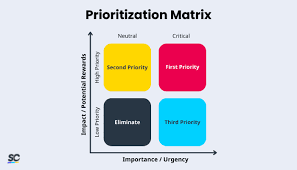
- Prioritisation is Crucial: Understand what needs your attention at different times. During crucial CLAT prep periods, it’s okay to pull back from some extracurricular commitments. But don’t go so far as to abandon all your activities — remember, it’s about balance, not burnout.
- Efficient Use of Time: Late nights and early mornings were my best friends. I made sure to squeeze in study hours whenever possible. Break tasks into manageable chunks and don’t hesitate to use small windows of time. After all, every minute counts. If you’ve ever tried reading legal theory at 2 AM, you know what I’m talking about.
- Phased Focus: Initially, I balanced school academics and CLAT prep equally. As CLAT approached, I gradually shifted focus more toward CLAT, dedicating the last three months exclusively to CLAT preparation and post-CLAT exclusively to board exams. This focus shift helped me stay ahead without missing out on school responsibilities.
2. School Students without Extracurricular Commitments
For students who are solely focused on academics, the challenge is balancing schoolwork and CLAT prep without burning out.
- Dual Focus: Maintain a dual focus initially, balancing both school and CLAT preparation diligently. As the exam approaches, it’s best to give more time to CLAT prep, but be sure to finish your school syllabus first.
- Gradual Shift: As CLAT draws nearer, let school academics take a backseat. After CLAT, you’ll have ample time to catch up on schoolwork. Don’t panic about neglecting school for a while — it’s only temporary.
3. Droppers
Dropping a year to prepare for CLAT is a significant decision. It comes with its own set of pressures.

- Discipline is Non-Negotiable: Without the structure of school or college, it’s easy to slack off. Set a strict routine and stick to it. Discipline is the backbone of success during this phase. And remember, no one’s going to remind you to study — not even your mom (who’s probably already making you tea and expecting you to be studying).
- Maximise Time: Use the extra time wisely. Dive deeper into concepts, take more mock tests, and keep revising. The extra year gives you the chance to build solid fundamentals and tackle weak areas head-on.
- Avoid Distractions: Staying home can lead to distractions. Stay focused and keep your eye on the prize. Engage in study groups or online forums to keep a positive, competitive edge.
4. Partial Droppers
For those balancing college with CLAT prep, the key is managing both without burning out.
- Balanced Approach: Allocate specific hours for CLAT prep daily, while ensuring you don’t neglect your college responsibilities. The challenge is creating a schedule that suits both domains without compromising your performance in either.
- Sense of Security: Knowing you have a college fallback can ease the pressure, but don’t let it make you complacent. Keep pushing forward and stay determined to give CLAT your best shot.
Preparation Stages Based on Start Time
Depending on when you start your preparation, your strategy will vary. Let’s break it down:
Starting in April of Class 11 (Two Years)
- Slow and Steady: You have ample time, so start slow. Focus on building a strong foundation in GK, especially evergreen topics, and other sections gradually. Aim to create strong subject knowledge that will pay off in the long run.
- Sectional Mastery: Gradually take sectional tests in English, Legal Reasoning, Logical Reasoning, and Quant. Familiarise yourself with the types of questions and improve problem-solving techniques.
- Daily Practice: Establish a habit of daily practice, especially in Quant, as it’s a section that improves with consistent effort.
Starting with 1.5 Years Left

- Enhanced Focus: Continue with the same strategy but intensify your efforts. Start giving more sectional tests and delve deeper into critical reasoning and comprehension. The key now is to start refining your time management skills.
- Note-Making: Make detailed GK notes and revise them regularly. Consolidate your understanding of the syllabus as you progress.
Starting with 1 Year Left
This is high time to kick preparation into full gear.
- Comprehensive Preparation: Focus on all sections, gradually fine-tuning your approach. Full-length mock tests should now be incorporated into your routine.
- Regular Mocks: Begin taking regular mocks and analyse each one thoroughly. Identify areas where you need improvement, and work towards sharpening your skills.
A Good Schedule for the Final Year: The Most Crucial Phase of CLAT Preparation
The final year before CLAT is a make-or-break period. It’s the time when all your efforts, planning, and strategies come together. Here’s a detailed breakdown of the final year’s preparation schedule, month by month:
January – March: Laying the Groundwork
Goal: Get into the groove of consistent preparation.
- GK Building: This is your foundational phase for General Knowledge. Begin with basic topics to ease into the habit of daily reading and note-making. Focus on static GK, important historical events, constitutional amendments, and current affairs from the past year.
- Pro Tip: Create a habit of reading two newspapers daily, such as The Hindu and The Indian Express. This not only helps in staying updated but also improves your reading speed and comprehension, which is vital for the English section.
- Sectional Tests: Start giving sectional tests to familiarise yourself with each section. This will help you identify your strengths and weaknesses early on. Focus on English and Legal Reasoning, as they form a significant portion of the exam.
- Tip: Use online resources available on Telegram for high-quality sectional tests. These provide detailed analytics that help in understanding your performance.
- Quantitative Technique(QT) Practice: Dedicate at least an hour daily to practicing Quantitative Techniques (QT). Start with basic arithmetic. Don’t shy away from your weak areas; this is the time to strengthen them.
- Advice: Use books like R.S. Aggarwal’s Quantitative Aptitude or Fast Track Objective Arithmetic by Rajesh Verma. The key here is regularity.

April – June: Intensifying the Effort
Goal: Develop a strategic approach to tackling tougher sections and begin serious mock testing.
- Critical Reasoning & Reading Comprehension: Begin solving LSAT and GMAT-style critical reasoning and reading comprehension questions. These will significantly enhance your logical reasoning skills. Make it a point to solve at least 5-6 passages daily.
- Why This Matters: Critical reasoning forms the backbone of the Logical Reasoning section in CLAT. Consistent practice with these complex questions will make the actual exam questions seem much more manageable.
- Mock Tests: Start taking regular mock tests, at least three per week initially. The aim is not just to practice but to analyse thoroughly. After each mock, spend time understanding where you went wrong and how you can improve.
- Analysis Tips: Post-mock analysis should include checking time spent per question, accuracy rate, and identifying patterns in errors. Maintain a logbook of mistakes and review it periodically.
- Doubt Resolution: Engage with mentors or join a study group to solve doubts regularly. For me, my mentor Mr. Rajneesh Singh at Do-Zen (CLAT Essentials) played a pivotal role in clarifying concepts and providing strategic insights.

- Mentorship Tip: Choose a mentor who not only knows the subject but also understands the nuances of CLAT. Their experience can offer shortcuts and strategies that textbooks can’t.
- GK Flow: Increase your focus on GK. Dedicate ample time daily to updating your notes, making on new topics and revising the old ones.
July – October: The Peak Preparation Phase
Goal: Maximise preparation intensity and ensure you’re peaking at the right time.
- GK Mastery: By now, your GK preparation should be at its peak. This is the most critical time for current affairs. Create a schedule to revise all the notes you’ve made so far and ensure that you’re well-versed in both static and dynamic GK.
- Tip: Use monthly compendiums from reliable sources like GK Today or Vision IAS. To make notes you can use reliable sources as well as various other UPSC websites.
- Mocks, Mocks, Mocks: Increase the frequency of mock tests to about 5 per week. The more mocks you take, the better you get at time management and strategy. The key is not just to take the mocks but to simulate exam-like conditions — timed sessions, minimal breaks, and a focused environment.
- Mock Strategy: Vary the difficulty level of mocks. Some should be easier to boost confidence, while others should be tough to prepare for the worst-case scenario.
- Analysis and Feedback Loop: The role of mock analysis becomes even more crucial now. Identify the types of questions that consume more time and work on shortcuts and tricks to solve them faster.
- Tracking Progress: Keep a chart of your mock scores and analyse trends. This visual representation helps in identifying patterns of improvement or areas of concern.
- Quantitative Technique(QT) & Legal Reasoning: Continue daily practice, especially in Quantitative Techniques and Legal Reasoning. The aim is to increase accuracy and speed. Time yourself while solving questions to get a sense of how well you’re doing under pressure.
- Self-Care: As the exam nears, remember to incorporate self-care into your routine. Sleep well, eat healthily, and take short breaks to recharge. Maintaining a calm mind is crucial to performing at your best.
November – December: The Final Push
Goal: Refine your performance, optimise strategies, and ensure you’re in peak condition for the exam.
- Mock Tapering: As you approach the last 10 days before the exam, reduce the frequency of mocks but make them more intense. Focus on weaker areas that need more work.
- Focus on Accuracy: At this point, your aim should be perfecting your accuracy. Time yourself carefully and work on completing questions within the allotted time without errors.
- Revision & Consolidation: Revise key formulas, and important facts. Take short mock tests but don’t overload yourself with too many revisions. Revise GK in multiple rounds of revision. Don’t build new notes but keep on revising the old ones and give multiple quizzes to boost your confidence.
- Mindset & Positivity: The final phase is about confidence and mental strength. Trust your preparation, stay positive, and give your best on the exam day. A calm mind will help you tackle the exam paper with precision.

Conclusion: Reflecting on the Journey
Looking back at my preparation for CLAT and scoring AIR 70, it was not just about hard work but about strategic effort, consistency, and adaptability. Every student’s journey is unique, and while the path may differ, the essence remains the same: dedication, resilience, and an unwavering focus on your goal.
No matter where you are in your preparation, remember that it’s never too late to start, and every step you take gets you closer to your dream law school. Best of luck to all CLAT aspirants — stay determined, stay focused, and success will follow!
ALL THE BEST!
ABOUT THE AUTHOR

Devansh is a Class 12 student from Don Bosco Park Circus, poised to embark on the next chapter of his journey as he prepares to join NLSIU Bangalore, his dream college, with an impressive AIR 70 in CLAT. His academic and extracurricular pursuits reflect a blend of leadership, intellectual rigour, and creative exploration. Devansh scored 98.2% in his Class 10 boards and has held various leadership roles, including Headboy, Secretary General of the school MUN, Editor-in-Chief of the school magazine, and Business Event Director at Bosco Empresarios.
He has demonstrated his leadership abilities as the captain of both the school MUN team and the debate team, as well as Vice-Captain of the business team. He is also an active member of the school’s tech team and quiz team. From navigating international crises in MUN committees to meticulously organising events, Devansh excels at leading from the front and working behind the scenes. As Editor-in-Chief of his school magazine, he effectively translated ideas into impactful narratives, while as a prefect, he fostered unity and discipline across the student body.
Devansh thrives in environments that challenge him to think critically and lead with purpose. With a deep passion for problem-solving and collaboration, he is eager to apply his skills and dynamic outlook to any opportunity that allows him to grow, lead, and contribute meaningfully.