Fresh out of Hidayatullah National Law University, Raipur, and already carrying the weight of big dreams and bigger insights, Harsimran Kaur is one of those rare minds that blend curiosity with quiet conviction. She also secured a commendable batch rank 2. In this interview, she reflects on the trials, surprises, and turning points that shaped her law school journey—from late-night case briefings to those all-too-human moments of self-doubt. If you’re looking for honest answers and thoughtful takeaways from someone who’s just walked the road you’re about to take, Harsimran brings both clarity and candor.

- To begin with Could you please briefly introduce yourself and share a bit about your journey so far.
Hi, I’m Harsimran Kaur, a law graduate (B.A. LL.B. Hons.) from Hidayatullah National Law University, Raipur, where I ranked 2nd out of 147 students in my batch. Through internships at the Hon’ble Delhi High Court and LBSNAA, I’ve gained valuable experience in legal drafting, policy research, and stakeholder communication. Hoping to guide and support aspiring law students, especially those just starting their journey.
🧑🎓 Life at Law School
- How would you describe your daily life at law school ?
I was a student of the COVID batch and so for the initial 1.5 years we had online classes. If I consider the daily routine of my junior batches, it was as follows- generally they have classes from 9:00 AM to almost around 4:00 PM. In between there are lunch breaks and a mid break as well. This is because there are six classes and it might get hectic for the students. The first class starts around 9:00 am. Then around 11 o’clock there is one break, which is of 15-20 minutes. And then again, there is a break at around two o’clock, which is for lunch, 2:00 to 3:00, for which you go back from your class to the hostel mess.
🍽️ Food (Mess/Canteen)
- How is the food at your law school in terms of taste, variety, and hygiene?
The food at HNLU is described as decent in taste—nothing exceptional, but generally acceptable. In terms of variety, the mess does quite well. The menu rotates monthly, with decisions made by a committee of students and faculty (part of the Student Bar Association). This democratic system ensures student preferences are heard through polls. Standard meals include items like poha and idli for breakfast, with special items such as dosas on Sundays and chole bhature on Saturdays. Additionally, during festivals like Lohri, Diwali, or Pongal, the mess offers festive sweets and themed dishes, which adds a nice cultural touch. As for hygiene, it can be considered manageable and reasonably clean for most students’ expectations.
- Are there good alternatives to mess food nearby (cafes, delivery options)?
Yes, there are several alternatives to the mess food, though they vary in affordability and convenience. HNLU now has its own campus café situated on the lakeside stairs, which is really beautiful with decent food, although it may feel a bit pricey to some students. There’s also a utility center within the campus that offers more economical snack options. For deliveries, Zomato does operate in the area, but the range is limited because the campus is somewhat remote from Raipur city. The selection includes smaller items rather than full meals, and notable restaurants don’t deliver regularly. For off-campus dining, students often visit places like CG04 (a family restaurant), Indian Coffee House, or the Mayfair resort. There are also numerous local dhabas and carts that serve affordable options like golgappas and daily snacks near the campus and the nearby village.
- How do students usually manage food when mess food isn’t good? How is the water availability?
When mess food isn’t palatable, students typically turn to easy and accessible fallbacks like Maggi, which can be quickly prepared in hostels. Another favorite spot of mine is the utility shop inside the campus, run by Shubham Bhaiya. This shop sells convenient items like patties, cakes, and snacks, and it’s located close to the hostels, making it a go-to for many students. Regarding water availability, the campus seems well-equipped. Every floor of the hostel and academic buildings has a water cooler, and although earlier there were separate water filters, now coolers serve as the main source. The availability has never been a problem. For convenience, students often keep multiple bottles in their rooms. For those preferring cleaner sources, filtered water and cans are available at the tuck shop. Some students also bring their own personal filters to ensure water quality.
🏡 Hostel Life
- How strict are the hostel rules regarding timings and permissions?
Hostel rules, especially in the first and second year, tend to be on the stricter side. Late entries are monitored, and in some cases, parents may be informed if a student frequently stays out beyond hostel hours. However, you can take prior permission for valid reasons by informing the warden, and in such cases, timings become more flexible. From the third year onwards, the environment becomes more relaxed.
- How are the hostel facilities overall (rooms, cleanliness, Wi-Fi, common areas)?
The facilities are fairly good. From the second year onwards, students get single occupancy rooms, which is a big plus. Cleanliness is partly the student’s responsibility, but housekeeping staff (didis) clean rooms daily, usually after lunch. Wi-Fi is reliable and widely used. Although at times, when the load is high,it might glitch a little. Common areas include a TV lounge (not used much), a space for dance and casual recreation, table tennis, a boxing setup, and a shared gym for both boys’ and girls’ hostels.
- What’s the social life like in hostels — are there events, gatherings, study groups?
Social life in hostels is vibrant and heavily depends on your batch and the company you keep. There are casual group hangouts, music jam sessions, and batch-specific gatherings. Cultural events include Fresher’s Week, Prom Night (Limerence), Desi Day/Night, Janmashtami, and Lohri celebrations. There’s also an active Book Club and Music Club that host their own activities.
- How is the hostel infrastructure? Are the rooms single, double or triple sharing?
The hostel infrastructure is well-maintained. From second year onward, rooms are single occupancy with a shared balcony. This setup provides both privacy and a sense of community. First-year students have separate hostel blocks that are still connected to the common areas.
- Is ac facility available?
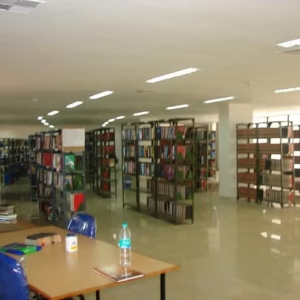
No, AC is not available in any of the hostel rooms. The only air-conditioned spaces are in the academic block. During warmer days, many students study or relax in the reading hall, which offers some relief.
📜 Rules & Regulations
- What are the major academic rules and regulations — especially regarding attendance and exams?
The college follows Bar Council of India (BCI) norms. 70% attendance is mandatory—falling short can result in being debarred from exams. Internal assessment structures include projects, moots, and final exams. There’s a strong emphasis on discipline and adherence to academic procedures.
- How strict is the administration regarding discipline and code of conduct?
The administration is fairly strict when it comes to discipline. Orientation sessions often cover expected behaviour, and students are generally expected to conduct themselves respectfully within campus and in academic settings.
- Are there specific dress codes for certain activities like moots or presentations?
Yes, for moots and presentations, formal attire is expected. It’s an unspoken but widely followed norm that students wear appropriate clothing during such formal academic engagements.
📝 Academics: Internals, Assignments, Unit Tests
- How frequent are the internals, assignments, and UTs (Unit Tests)?
Students usually face a mix of projects (worth 20 marks), midterms (25 marks), and end terms (50 marks). However, recent batches have seen a shift: midterms have been replaced by a compulsory 25-mark moot component that includes memorial drafting and oral rounds.
- Are assessments heavily weighted towards exams, projects, or continuous evaluation?
HNLU follows a continuous evaluation model. Throughout the semester, students engage in moots, debates, submissions, and projects in addition to their finals. It keeps students consistently involved, especially if they’re participating in extracurriculars too.
📚 Classes and Timing
- What is the daily class timing like?
Classes typically run through the day with a lunch break in between. Most academic and hostel-related activities are structured around this rhythm—students often rest or pursue personal interests after 4 PM.
- Are Saturdays working days at your law school?
Saturdays are usually off. However, if the required 60 classes per subject per semester aren’t completed due to holidays or other disruptions, Saturday classes may be scheduled to make up for it.
- How hectic is the weekly schedule?
That largely depends on how involved you are. If you’re active in moots, clubs, and events, it can feel quite packed. But if you’re more low-key, the schedule is manageable. It’s up to the student to decide how deeply they want to engage.
🎉 Semester Breaks
- When are the semester breaks scheduled? And how long are these semester breaks?
Our semester breaks at HNLU usually fall in December, May, and June. The odd semester ends by 28th or 29th of November, so we get the whole of December off. Similarly, the even semester winds down around 26th–28th April, giving us May and part of June.
- Are breaks enough to take internships or refresh properly?
Now, are these breaks really enough for internships or proper rest? Honestly, not always—especially if you’re aiming for a career in corporate law. A lot of my friends had to squeeze in internships even during academic sessions. They’d either go for online internships or adjust their attendance, since 70% attendance is mandatory and the remaining 30% gives you some flexibility. That said, breaks like December or May aren’t ideal for litigation internships because courts are often shut during those periods. So if you’re serious about maximizing your experience, you’d definitely need to hustle during working months too. In terms of refreshment, the breaks are quite manageable.
🌍 Diversity and National Representation
- How is the national representation at your law school — do students come from all over India?
50% of the seats are reserved for students from Chhattisgarh, so the local presence is understandably significant. But that does not compromise on the diversity at the campus, we have students from all across the country—I had batchmates from the Northeast, Jammu and Kashmir, and South India. There’s definitely a strong national representation, and that’s one of the things I’ve always appreciated about my campus.
- How inclusive and diverse is the campus culture?
The student population is very diverse and inclusive. We all celebrate each other’s festivals—be it Pongal, Diwali, Lohri—and those moments really helped build a sense of shared community. I genuinely felt that, regardless of where someone came from, they were welcomed for who they are.
🛎️ Day 1: Registration and Admission
- What was the Day 1 experience like during hostel registration and college admission?
- Are there any important tips for a smooth admission/hostel registration process?
⚖️ Moot Court Activities
- What is the culture around mooting at your college?
The mooting culture at HNLU has really evolved during my time there. Initially, it was all about personal initiative—if someone wanted to try their hand at moots, they could, but there wasn’t much structure or push. But things have changed for the better.
Now, mooting is part of our academic framework—25 marks are allotted specifically for it, which means it’s no longer just an extracurricular, but something built into the curriculum. That shift has brought a lot more participation and seriousness to the culture.
- How early can a first-year student start participating in moots?
As for when you can start, students can get involved as early as the second semester of their first year. In fact, I’ve seen juniors from second year representing HNLU at big platforms like Jessup, which is a pretty huge deal. So, if you’re interested, there’s definitely room to get started early. And when it comes to training and mentorship, there’s support at every step. Seniors are incredibly helpful—they share resources, help with drafting memorials, and even conduct mock orals. Plus, the MCC and faculty step in with more structured guidance, especially when you’re prepping for national or international level moots. So overall, I’d say HNLU’s mooting culture is growing stronger, and there’s a great blend of institutional backing and peer support to help you navigate it confidently.
- Are there internal selections for moots?
Yes, internal selections are conducted by our Moot Court Committee (MCC). They host intra-college moots to shortlist teams for external competitions. The process is transparent and quite competitive, which makes it even more exciting.
- Is there any special training or mentorship available for moots?
When it comes to training and mentorship, there’s support at every step. Seniors are incredibly helpful—they share resources, help with drafting memorials, and even conduct mock orals. Plus, the MCC and faculty steps in with more structured guidance, especially when you’re prepping for national or international level moots.So overall, I’d say HNLU’s mooting culture is growing stronger, and there’s a great blend of institutional backing and peer support to help you navigate it confidently.
🎯 Extra-curriculars
- What extracurricular activities are available at your law school?
We have a variety of clubs and societies that cover a broad spectrum of interests—music, dance, art, sports, mooting, debating, and even a book club. There’s also a strong culture around jamming sessions in the music club, which made my time there extra memorable. These platforms not only bring fun into the daily routine but also help us connect with peers who share the same interests.
- Which activities would you recommend to a 1st year student?
I always suggest first-year students explore as much as they can. First year is that golden time when you’re new, enthusiastic, and still figuring things out. So, try out everything—music club, dance, mooting, debating, even the book club if you’re a reader. It helps you bond with seniors and carve out your space in the community early on.
- How do extracurriculars help in career building or internships?
They add dimension to your personality. When two students have similar academic records, what sets one apart is the diversity of experience they bring. Whether it’s a music background, debate experience, or involvement in college events, it reflects on your teamwork, communication skills, and leadership—all of which matter when applying for internships or jobs.
- Are there any limitations of participating in extracurriculars?
Not really. If you’re genuinely committed, the college actually supports your participation—sometimes even funds it partially. A few of my friends went for international competitions and got financial backing from HNLU. Of course, it’s not always fully sponsored, so you’ll have to bear some costs on your own. But in terms of opportunities and encouragement, there are no real restrictions.
- How do you personally balance academics and extracurricular activities?
It was definitely a juggle, especially while preparing for traditional assessments and performances back-to-back. I was part of the music club, and I still remember leading our band performance at Colossus. But over time, you figure it out. Once you’re in that HNLU rhythm, it becomes a matter of planning, prioritizing, and occasionally just trusting yourself to wing it when needed.
👥 Committees
- What are the major committees and societies in your law school?
There are multiple committees, including mooting (Moot Court Committee), debating, cultural clubs like music and dance, and academic bodies tied to legal writing and journals. There are also positions like Class Representatives (CRs) within some committees.
- Which committees should a first-year student definitely try to join?
Definitely explore the MCC (for mooting), debate club, and the book club. These not only help you build confidence but also introduce you to a close-knit community of seniors and faculty who can mentor you in the long run. It’s a great space to test your interests and expand your skill set.
- What is the process of getting into a committee? How competitive is the selection for these committees?
Forms are usually circulated on the college groups after the session begins. You just have to fill them and express your interest. Some roles, like Class Representatives, involve elections. While there’s healthy competition for more prominent committees, most of them are welcoming—especially if you show genuine interest and a willingness to learn.
🎊 Fests and Campus Life
- What are the major college fests?
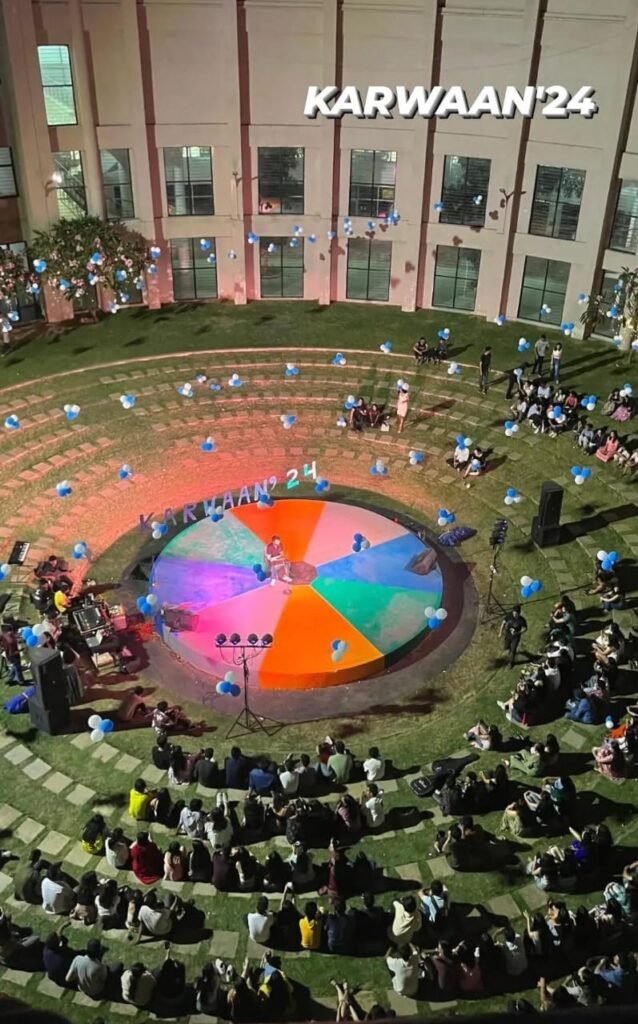
The college hosts a variety of events, with Colossus being one of the major festivals. The cultural scene is vibrant and inclusive, with multiple clubs for music, dance, art, and debating.
- How vibrant is the cultural and sports scene at your law school?
Sports and cultural competitions are actively encouraged, and students regularly participate in events hosted by other universities across India.
🏀 Sports Facilities
- What kind of sports facilities are available on campus?
The college has dedicated sports grounds and courts, especially for games like basketball. The infrastructure supports regular training, practices, and student recreation.
- Are there any sports teams or tournaments students can participate in?
Yes, students can join college teams that participate in inter-university tournaments. HNLU sends teams to reputed institutions like NLU Jodhpur and NLU Gandhinagar for competitions. These opportunities are open to students who are passionate and consistent in their sport.
- How active is the sports culture at your college?
It’s very active and growing. Whether you’re looking to represent HNLU or just play casually, there’s space for both. The sports culture has been receiving good support and attention in recent years.
🎓 Class Representative (CR) Selection and Responsibilities
- How is the CR (Class Representative) selected?
CRs are elected through an annual voting process after the academic session begins. It’s democratic and handled within the student body.
- What are the main responsibilities of a CR?
A CR acts as a bridge between students and the administration. They collect feedback, raise concerns, and advocate for student needs while also communicating the administration’s perspective back to the class. It involves handling pressure from both sides but gives real insight into student leadership.
- How much influence or say does a CR have regarding student concerns?
While the CR doesn’t have ultimate decision-making power, they are often the first point of contact for raising issues and are taken seriously. Their role can be influential, especially when backed by collective student voices.
🏛️ Student Union
- Is there a Student Union at your college?
Yes, the Student Bar Association (SBA) acts as the central student body and functions similarly to a student union. It oversees clubs, events, and coordinates between students and the administration.
- How active is the Student Union in addressing student issues or organizing events?
It’s quite active. From organizing fests and cultural evenings to representing student concerns to faculty, the SBA plays a big role in student life. They’re responsible for elections, club activities, and general student welfare initiatives.
- Can first-year students get involved with the Student Union?
Absolutely. First-year students can become committee members or even run for CR positions. It’s a great way to learn how things work and make a mark early on.
🧑💼 Key People in the Administration
- Who are the key people in the administration that students should know about? (Dean, Registrar, Warden, etc.)
-Deepak Sir (Registrar)
-Prof. Avinash Samal (Dean of Student Welfare)
-Ms. Garima Pawar (Warden)
-Favneet Roy (Chief Warden)
-Ms. Ina Elias (Warden)
These individuals are approachable and often become like family over the course of your time at HNLU.
- Whom should students approach for different issues like academic help, hostel problems, or disciplinary matters?
For academic doubts or support, seniors are the go-to initially. If needed, students can also approach faculty directly. Hostel-related or disciplinary issues should be taken to the wardens or the Dean of Student Welfare.
- “Is there any unwritten advice about how to approach professors or administration to get help more easily?”
Yes—be humble and respectful. Even if you’re not in the wrong, a little patience and politeness go a long way. Show that you acknowledge their position and experience; approach them not as someone demanding help but as someone asking for guidance.
Scholarships
- What scholarships are available for the students?
The main scholarship is the Merit-cum-Means Scholarship, which is available to students with a certain income threshold and decent academic standing. Chhattisgarh students also have access to a full scholarship option provided by the state.
🛠️ Internship Guidance
- How does the college support students in finding internships?
There’s a student-run Internship Committee that guides students, shares opportunities, and helps with application strategies. But especially in the first year, students are expected to take initiative themselves and start exploring options early.
- What should a first-year law student do to land good internships?
Start by working on your CV—get involved in college projects, publish a paper, join competitions, or submit articles. Apply to NGOs, commissions, and local offices. Don’t underestimate yourself just because you’re in your first year.
- What types of internships are recommended during the first year?
NGOs, research internships, and basic work with legal commissions or small law offices are great places to start. These options help build foundational skills without the pressure of high-stakes work.
❤️ College Likes & Areas of Improvement
- What do you like the most about your college?
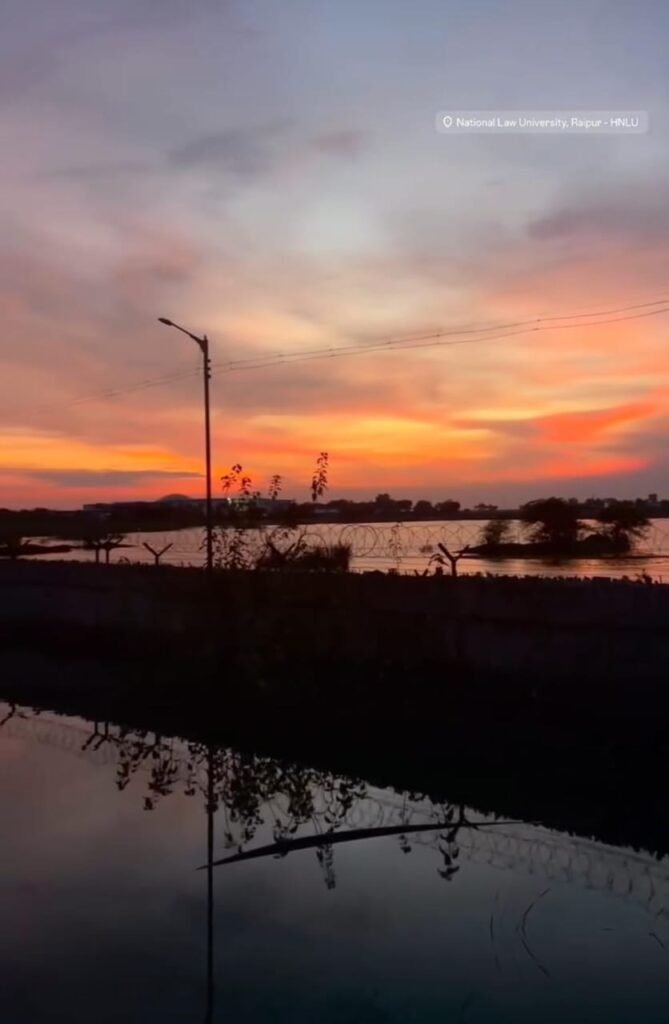
Definitely the people. The sense of community is strong, and everyone—from batchmates to administration—becomes like family. Plus, the sky views and the lake near the Siyawa café create a peaceful atmosphere you won’t find elsewhere.
- Where do you think the college can improve?
The college is improving rapidly, especially in infrastructure and academics. But one area that could use attention is support for students aiming for judicial services and competitive exams. There’s currently more focus on corporate law, so diversifying lectures and offering mentorship for other career paths would be helpful.
🏆 College Strengths
- According to you, what are the three biggest strengths of your college?
– The proactive and approachable Vice Chancellor.
– The supportive faculty, staff, and student community.
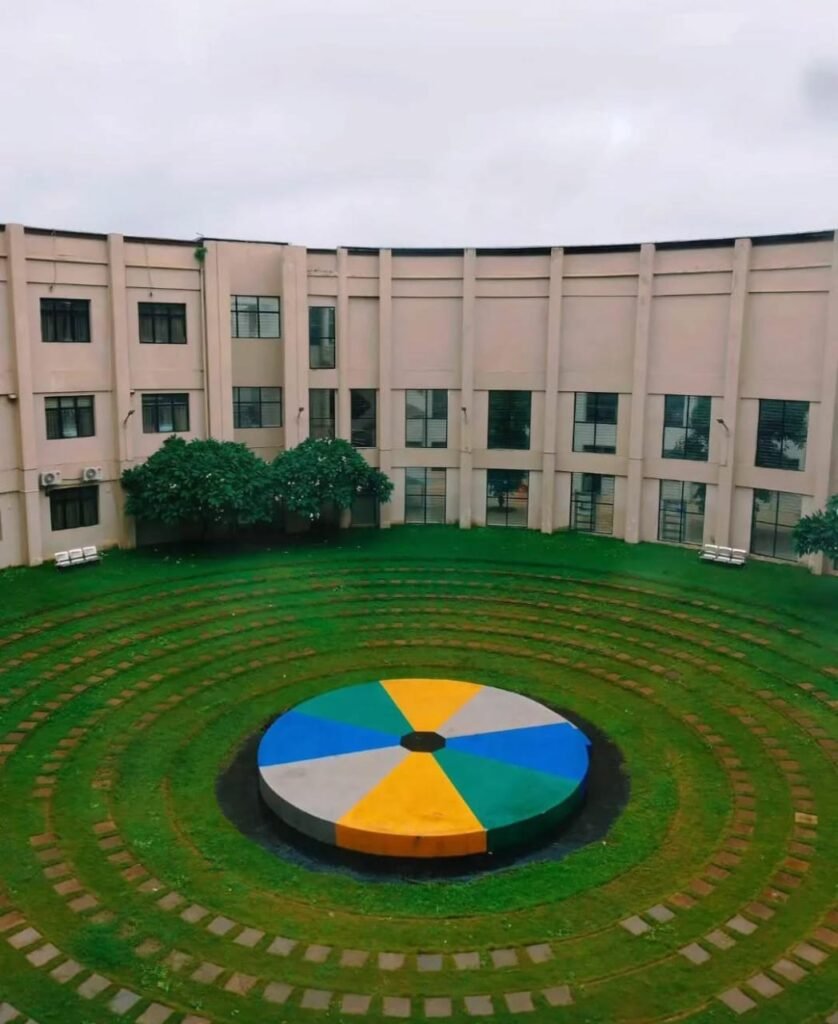
– The beautiful 73-acre campus with ever-improving infrastructure.
🎯 Placements and Career Support
- How strong is the placement cell at your college?
It’s steadily improving. About 50 students from the recent batch were placed. Firms like AZB, Trilegal, and S&R consistently recruit, along with a number of boutique firms. The cell’s effectiveness can vary each year but AZB has remained a regular recruiter.
- What kind of firms, companies, or organizations usually recruit from your campus?
Top-tier law firms like AZB & Partners, Trilegal, S&R Associates, and various boutique firms come in for pre-placement offers and formal recruitment. The outreach depends a lot on the year, the student initiative, and the RCC’s efforts.
PHOTO GALLERY